




Course Foundation
Hospital Administration and Operations
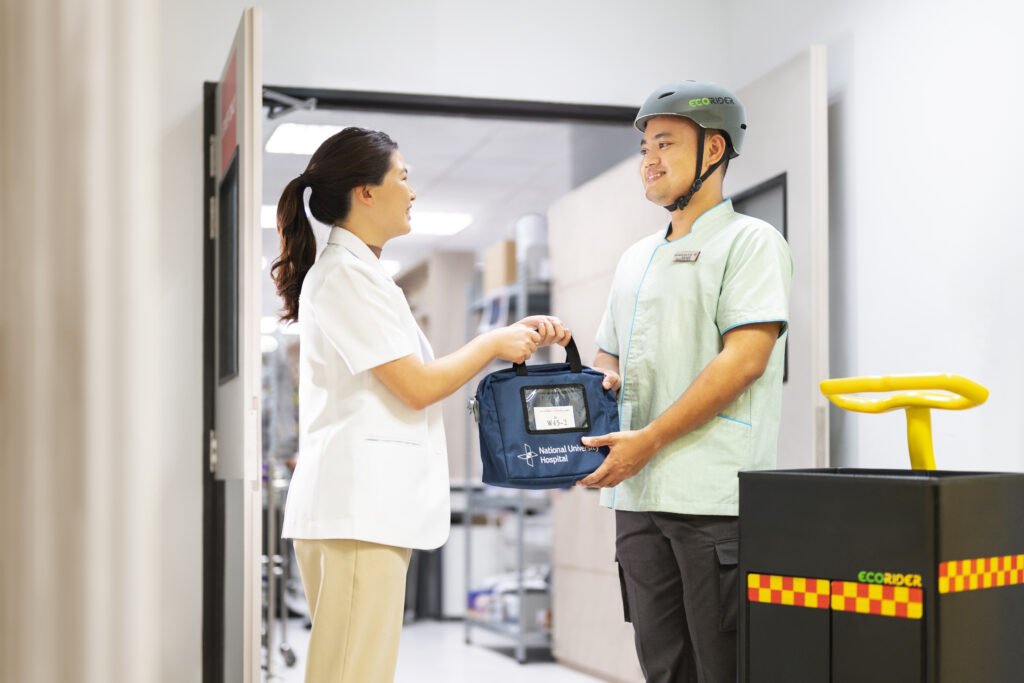
Effective hospital administration and operations form the backbone of a well- functioning healthcare institution. Delve into the details of managing a hospital's various components, from bed allocation and business continuity to leveraging technology for efficient operations. Gain an exhaustive understanding of the operational intricacies of a modern healthcare facility.
Optimal bed allocation is crucial for ensuring timely patient care. This segment offers insights into the strategies and challenges associated with managing bed spaces efficiently.
Learning Objectives:
- Understand the importance of efficient bed allocation.
- Recognise challenges in bed management and potential solutions.
- Learn strategies to optimise bed allocation and reduce patient wait times.
Ensuring uninterrupted operations is a cornerstone of hospital management. Dive into the realms of material management and procurement to understand business continuity practices.
Learning Objectives:
- Grasp the significance of business continuity in healthcare.
- Understand the roles of materials management and procurement in maintaining operations.
- Learn best practices and strategies for effective procurement and material management.
Financing is a linchpin of healthcare operations. Explore the mechanisms, challenges, and strategies related to funding healthcare services and infrastructure.
Learning Objectives:
- Understand various healthcare financing models and mechanisms.
- Recognise challenges in healthcare financing and potential solutions.
- Grasp the impact of financing strategies on healthcare delivery and sustainability.
With the globalisation of healthcare, understanding regional dynamics and partnerships is crucial. This topic dives into the interplay between local and regional healthcare systems.
Learning Objectives:
- Recognise the significance of regional healthcare collaborations.
- Understand the challenges and benefits of regional healthcare partnerships.
- Learn about strategies to optimise regional healthcare initiatives.
IT systems are integral to modern hospital operations. Discover how technology enhances healthcare delivery, from patient records to operational management.
Learning Objectives:
- Grasp the importance of IT support in healthcare.
- Understand the various IT systems and their applications in hospitals.
- Recognise challenges in IT implementation and potential solutions.
Technology is revolutionising healthcare, with holomedicine and AI at the forefront. Explore the innovative applications of these technologies and their potential impact on patient care.
Learning Objectives:
- Understand the principles of holomedicine and AI in healthcare.
- Recognise the applications and benefits of these technologies.
- Learn about challenges and future prospects of integrating advanced technologies in healthcare.
The pharmacy plays a pivotal role in patient care. Delve into the structure of a pharmacy department and understand the intricacies of medication management.
Learning Objectives:
- Grasp the structure and operations of a hospital pharmacy department.
- Understand the principles and challenges of medication management.
- Learn best practices to ensure efficient and safe medication dispensing.
As healthcare evolves, designing hospitals for the future becomes paramount. Dive into the principles and strategies of creating future- ready healthcare institutions.
Learning Objectives:
- Understand the significance of future- proofing in hospital design.
- Recognise the challenges and strategies in modern healthcare architecture.
- Learn about innovations and best practices in hospital design.
Strategic corporate planning steers a hospital towards its vision. Explore the processes, strategies, and challenges associated with effective hospital planning.
Learning Objectives:
- Grasp the principles of hospital corporate planning.
- Understand the processes and tools used in strategic planning.
- Recognise the importance of aligning corporate planning with hospital vision and goals.
A hospital's infrastructure directly influences patient care. Delve into the management, maintenance, and enhancement of healthcare facilities.
Learning Objectives:
- Understand the significance of robust infrastructure management.
- Recognise challenges in infrastructure upkeep and potential solutions.
- Learn strategies to ensure safe, efficient, and patient-friendly facilities.
Optimal resource management is key to hospital efficiency. This segment covers the strategies, challenges, and best practices associated with managing crucial resources, from manpower to equipment.
Learning Objectives:
- Grasp the importance of efficient resource management in healthcare.
- Understand the challenges in managing various hospital resources.
- Learn strategies to optimise the allocation and use of crucial resources.